We believe the work starts with the issue that most urgently threatens our collective life.
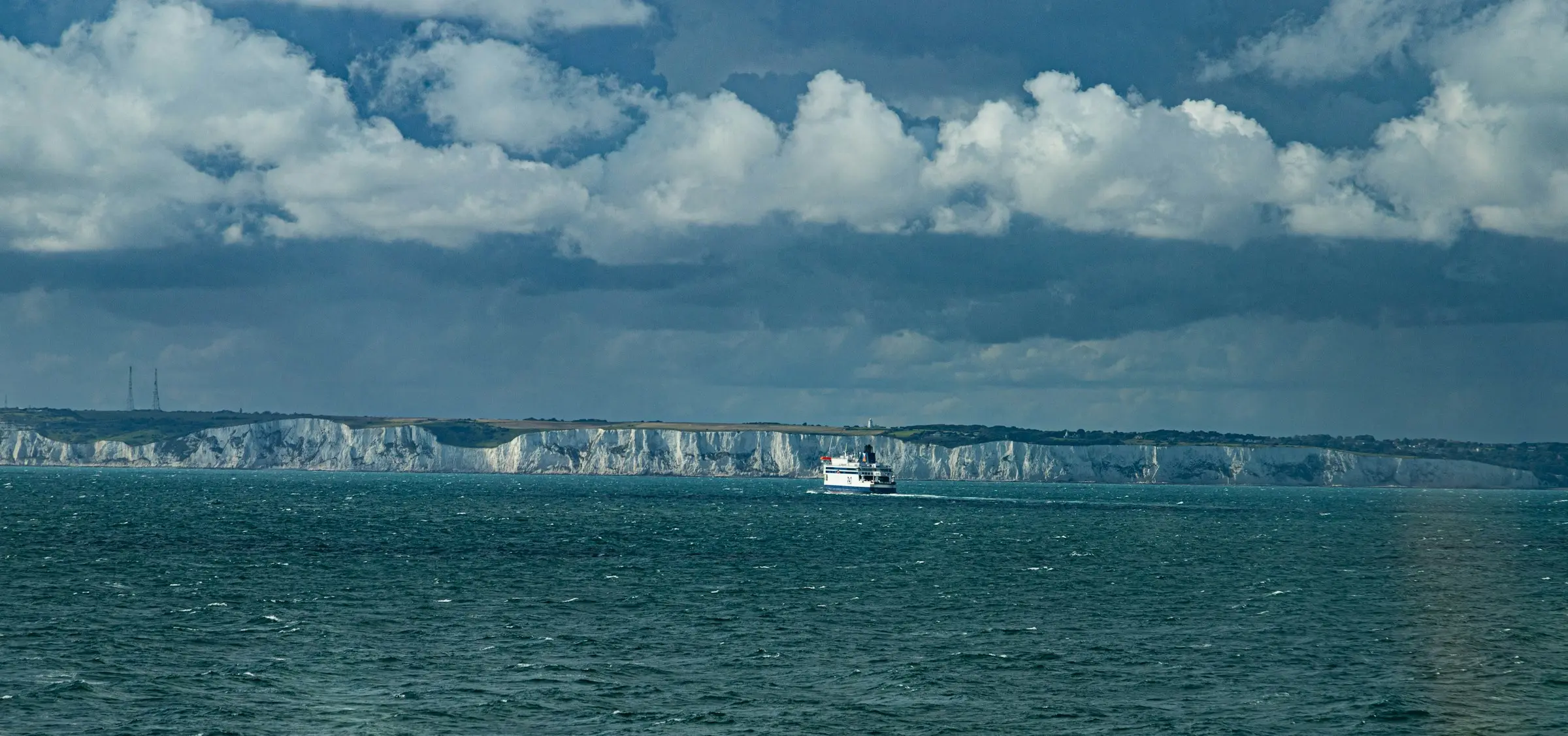
Immigration
On nothing else are our divisions as deep or as dangerous.
If we cannot leave it to politicians to resolve, then where do we turn?
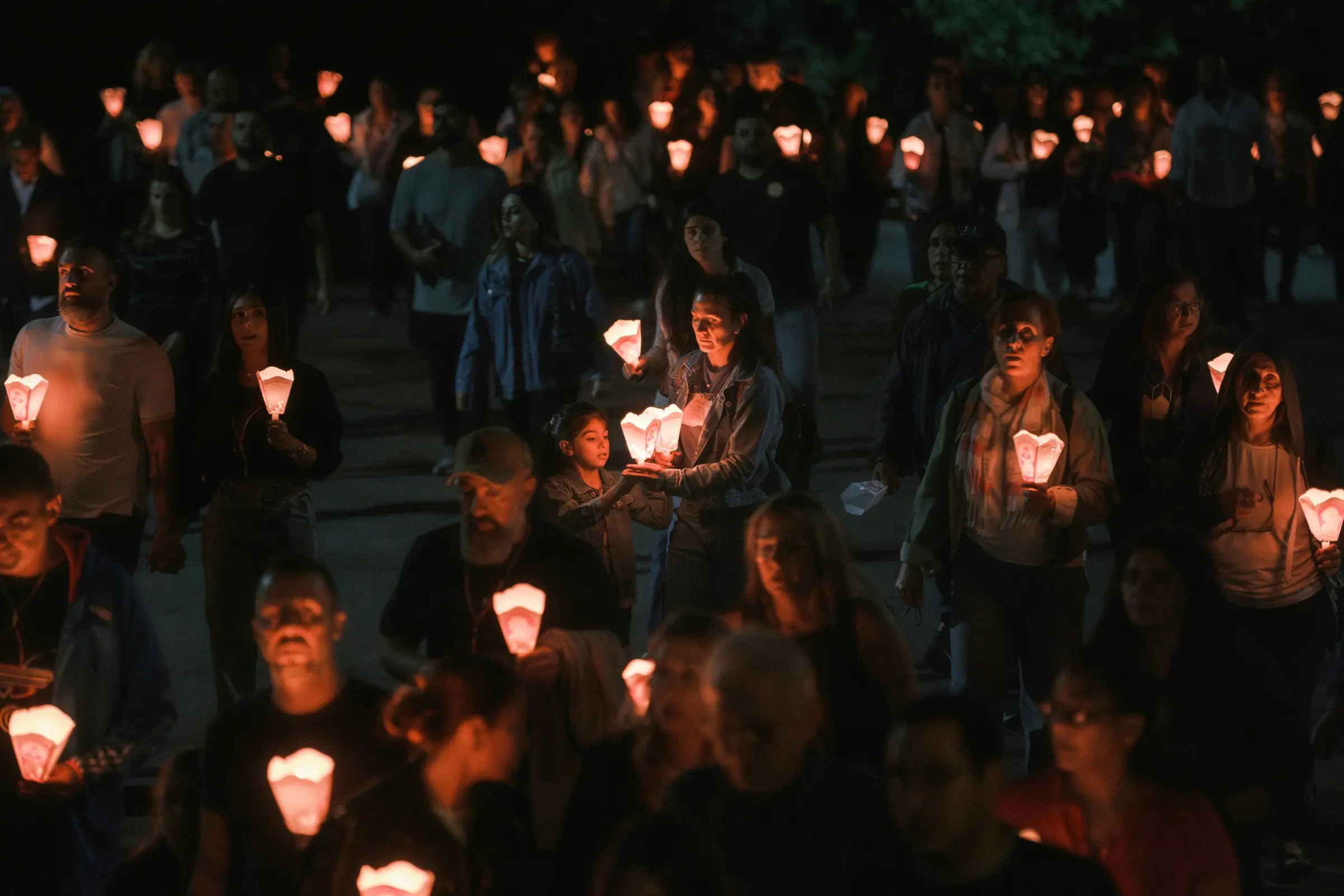
The answer is us. We The People ourselves.
We are the ones who must work this out, not our compromised, ego-driven political class.
Only then will the decisions and policies we choose feel legitimate to us all.
For that to happen, we must rediscover our ability to speak openly and deeply listen to one another's perspective, despite the depth of our differences.
To see our opponents as human. To allow them to change our perspective. To seek compromises we can all live with.
That is real democracy.
In these polarised times, it probably seems impossible.
We The People offers a practical mechanism to make it happen.
We call it
A Council of the People
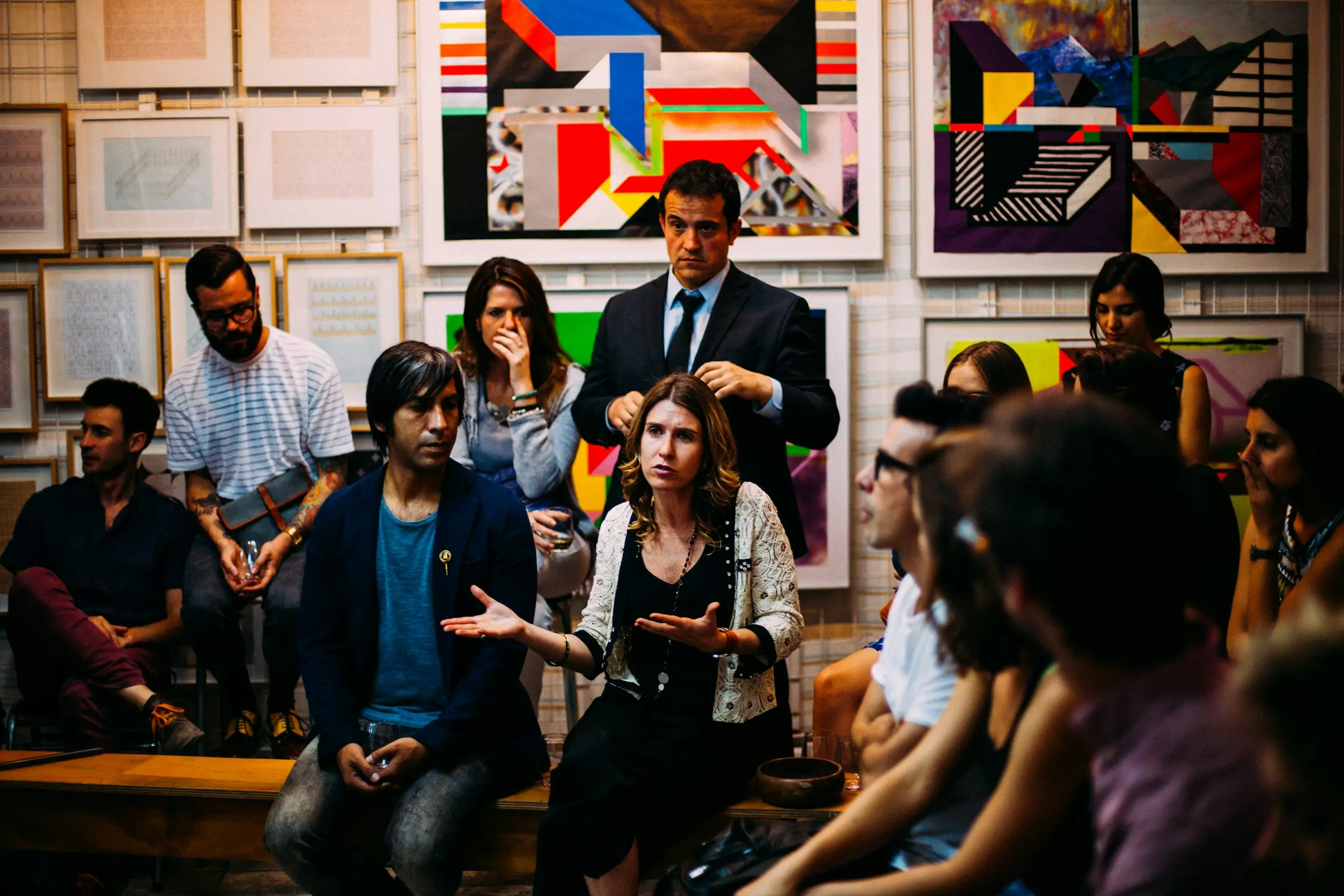
From two people to ten, from community level to nationwide, a Council of the People is a way for us to talk to each other again with honesty and respect, to find a way through our deep divides.
Whatever the scale, the principles are the same: everyone is welcome and every point of view can be spoken and heard, without fear of censure.
For smaller groups, we offer a clear step-by-step process, principles and resources to do it yourself.
In larger groups, we provide impartial facilitation to support the process, creating room for understanding, respect — even empathy.
(More details on the different models can be found in Part 3 – Be Part of It.)
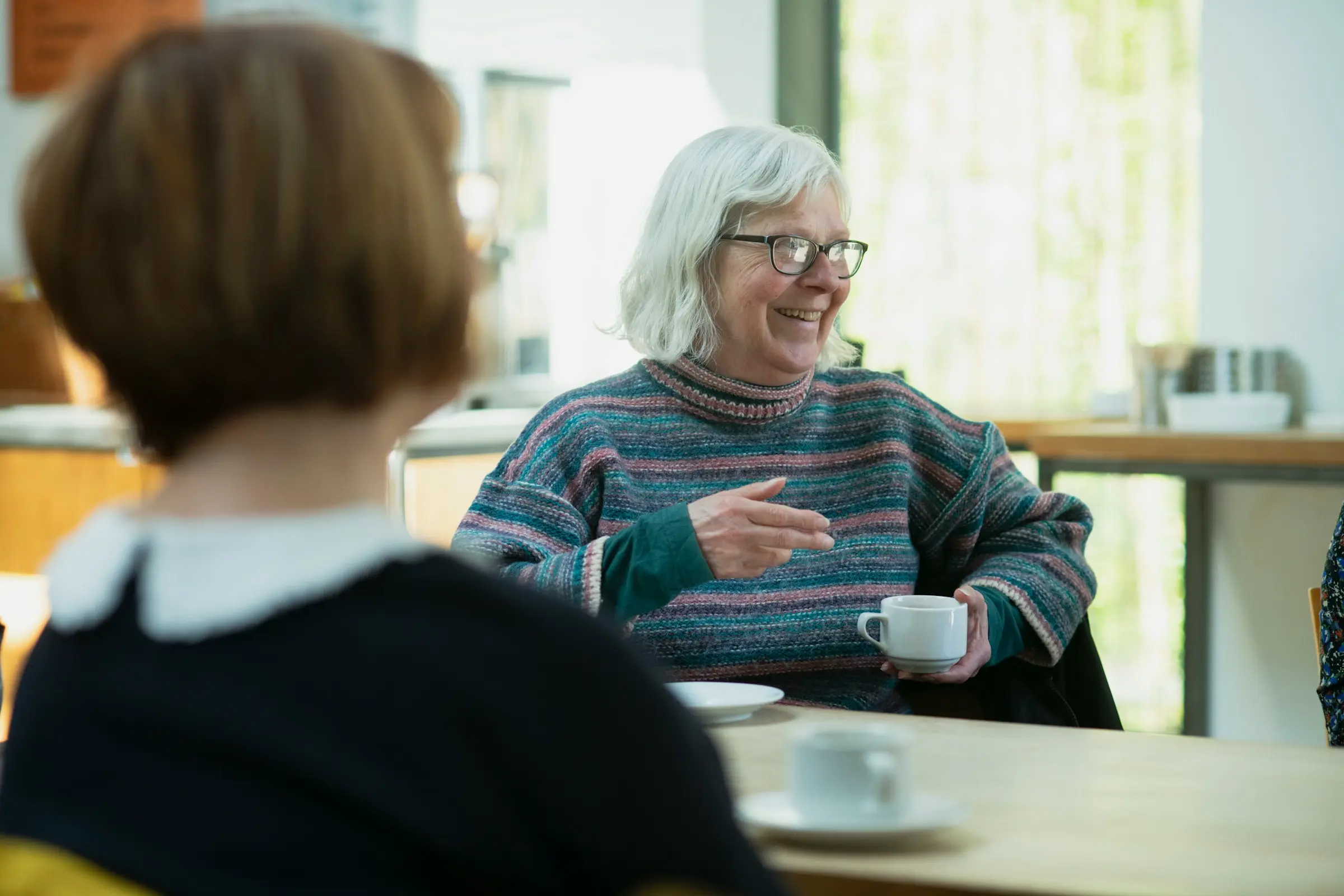
Truth & Reconciliation
Whatever your perspective, in Council you will likely hear things you don't agree with, which might make you furious or upset. And that will be hard.
But this is the heart of the process, the leap we're asking everyone to make: if you want your story and your perspective to be honoured, you must honour others when it's their turn.
Through the rollout of our mechanism, we will seek to spark a movement of national reconnection and reconciliation, culminating in a major cultural event: a National Council of the People on Immigration.
The first time in which we the people ourselves will write our own policy on immigration, instead of politicians.
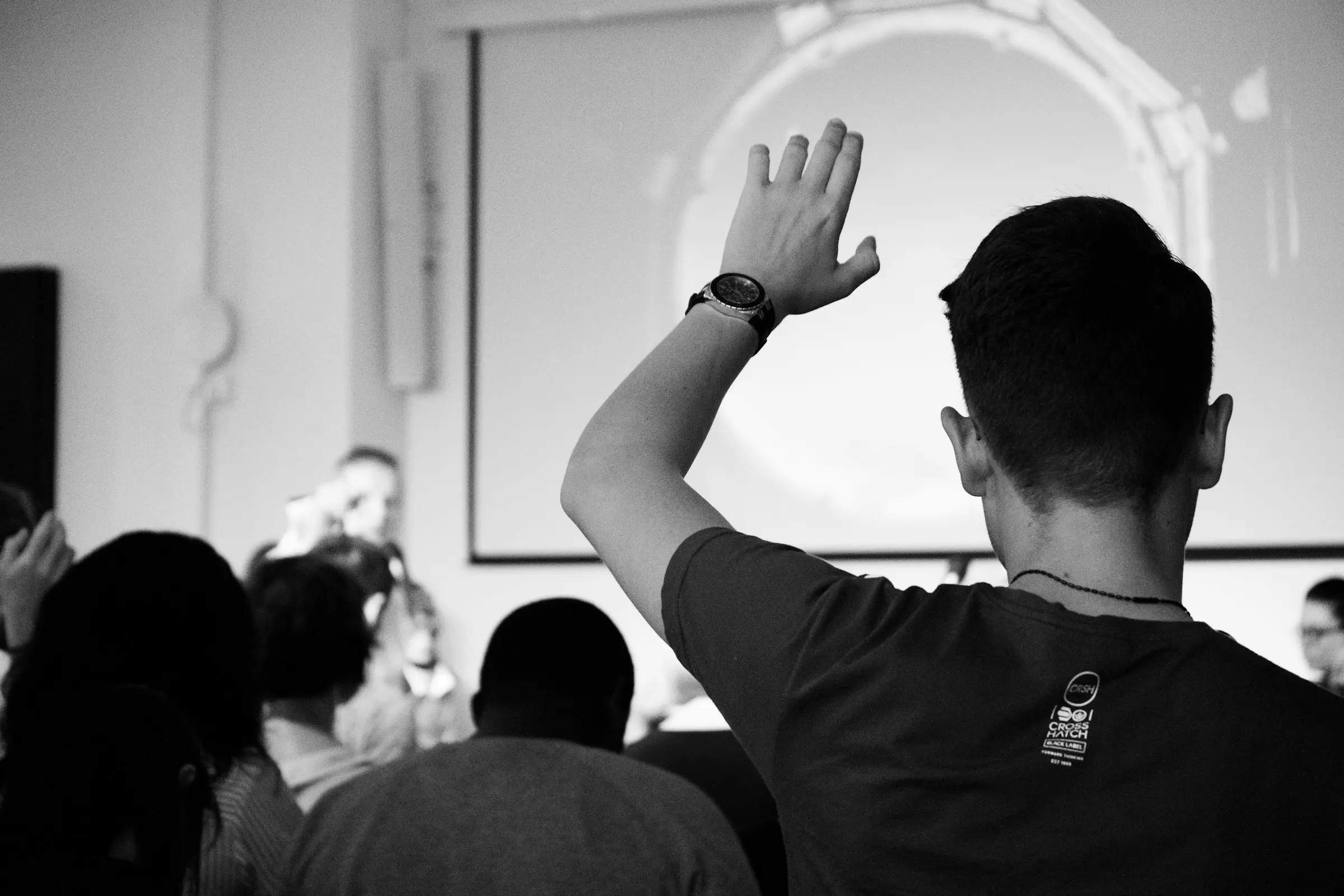
Drawing on new and ancient foundations
Councils of the People are inspired by a modern democratic model: a Citizens' Assembly.
It is a 21st century version of an age-old democratic structure, with roots in ancient Greece and the moots once held on these islands a thousand years ago.
In simple terms a Citizens' Assembly applies the principles of jury service to politics.
A group of 100 or more everyday people are selected by lottery to reflect the population as a whole by factors like class, age, gender, race etc.
They are given a difficult problem to face, like immigration. They listen to experts and witnesses from all sides of the debate and then talk among themselves to forge policy approaches that everyone can accept.
In the last decade, Assemblies have been held all over the world.
In Ireland, one helped people navigate the question of abortion. In France, on assisted dying. We even had one in the UK on climate change that led to rare agreement between left and right.
Why it works
Crucially, Citizens' Assemblies enshrine the idea that everyday people should make the decisions that affect our lives, not a political elite.
That free from the pressures to win votes, funding or influence, our decisions have greater legitimacy too.
Most importantly, that in the right circumstances, with impartial facilitation and expert witness testimony, we can dialogue with intelligence and civility and agree a more nuanced approach than any politician ever could.
We start to believe in “us” again
Of course, there will be hard compromises. Undoubtedly everyone will find some part hard to stomach.
Yet we believe it will lead to the first ever policy approach that most people would accept.
This is a practical path for us to stop being a collection of tribes and start becoming a people again, capable of forging a shared vision for our future.
If it works, we will know there is a powerful new way to do politics. One where we take the lead.
This is how our system could be transformed.
This is how we turn things around.
Be Part of It →